
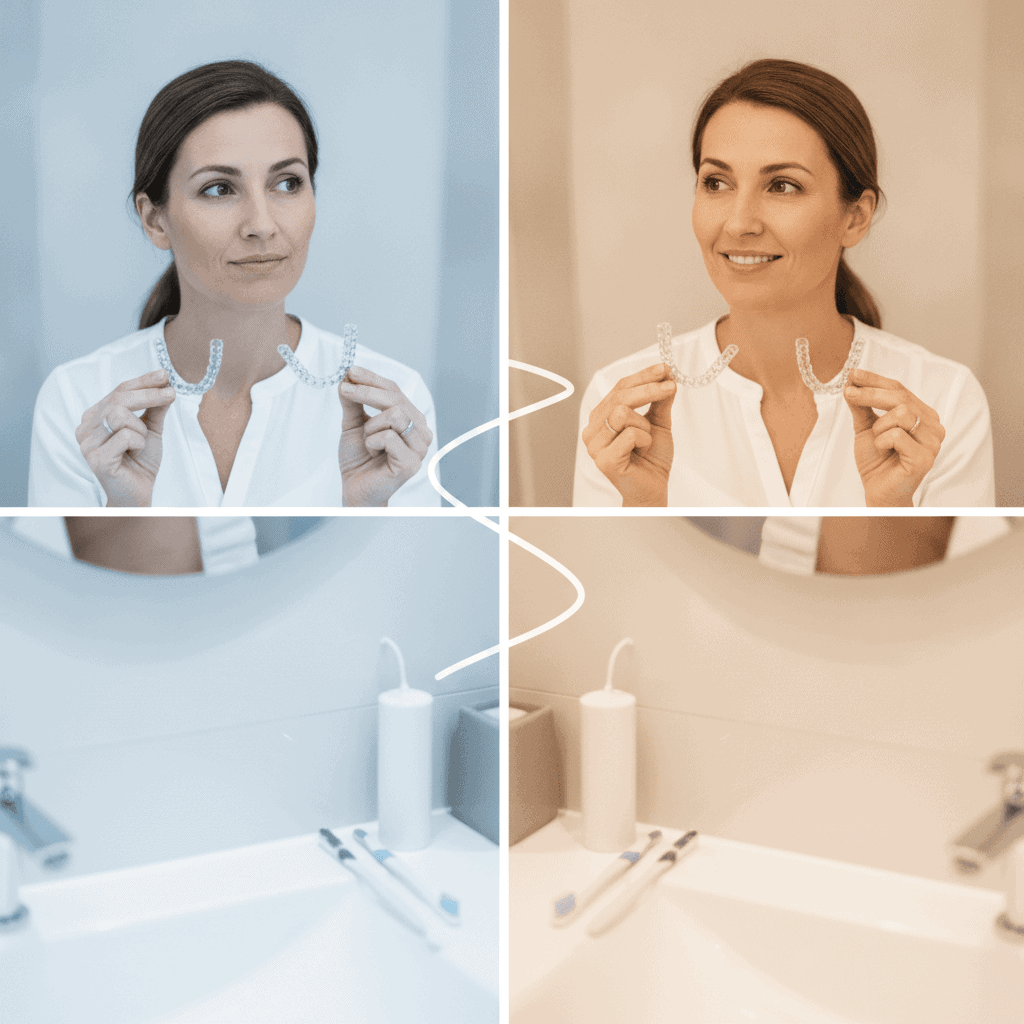
Many adults dream of a straighter smile but feel unsure about the best path to take. I have seen countless individuals consider their options, often weighing the benefits of traditional braces against modern clear aligners. It is a big decision and knowing the key differences makes all the difference. This article will help you understand the core aspects of adult teeth straightening options.
You might think orthodontics is just for teenagers, but adult treatment is very common. We are seeing more people in their twenties, thirties, and even beyond seeking to improve their dental health and appearance. The goal is often not just aesthetics but also better bite function and easier cleaning.
I know making this choice can feel overwhelming. There are many factors to consider, including how each treatment works, how it looks, and what it costs. We will break down everything you need to know about adult braces and Invisalign so you can feel confident in your choice.
Understanding Adult Orthodontic Needs
Many adults seek orthodontic care for various reasons. Perhaps they did not have braces as a child, or their teeth shifted back after earlier treatment. Sometimes, new issues like jaw pain or excessive wear on teeth prompt them to explore alignment solutions. It is never too late to address these concerns.
Adult orthodontics can correct a wide range of dental problems. These include crowded teeth, gaps between teeth, overbites, underbites, and crossbites. Fixing these issues often means more than just a prettier smile. It can improve chewing, speech, and overall oral hygiene.
Why Adults Seek Treatment
I often hear from patients that they waited because of cost, past anxieties, or simply because they did not realize adult orthodontics was a viable option. Modern treatments are far more comfortable and discreet than those from years ago. This makes them much more appealing for adult lifestyles. We also see many adults seeking treatment for specific health concerns.
For example, a misaligned bite can cause jaw joint pain or headaches. Straightening teeth can relieve this pressure and improve long-term oral health. It is a proactive step that can prevent more serious dental problems down the line. I always encourage adults to consider the overall health benefits.
Common Dental Issues to Address
Some common problems I encounter involve crooked teeth that make brushing and flossing difficult. This leads to plaque buildup and a higher risk of gum disease. Another frequent issue is spacing, where gaps between teeth can trap food and affect speech.
Overbites and underbites can cause uneven wear on teeth, which can lead to fractures or sensitivity over time. Correcting these bite issues protects your teeth for the long haul. My experience shows that addressing these problems early prevents more extensive treatments later.
Exploring Traditional Adult Braces
Traditional braces have been around for a long time and remain a very effective treatment for teeth straightening. They involve brackets glued to the teeth and connected by wires. These wires are adjusted over time to gently move teeth into their desired positions. Patients often wonder about the different kinds available.
While they are noticeable, traditional braces offer precise control for complex cases. They are a reliable choice and have improved significantly in terms of comfort and appearance. Many adults choose them because they trust the proven results.
Types of Braces Available
When we talk about traditional braces, we are generally looking at a few types. The most common are metal braces. They use high-grade stainless steel, and they are smaller and less obtrusive than they used to be. I often explain that advances in materials have made them much more comfortable.
Ceramic braces are another popular choice, especially for adults. They use clear or tooth-colored brackets, so they blend in more with your teeth. This makes them less visible, which many adult patients appreciate. However, they can be slightly more expensive and may stain depending on your diet.
Lingual braces are a less common option where the brackets are placed on the inside surface of your teeth. They are completely hidden from view. This makes them very discreet, but they can be harder to clean and may affect speech more initially. I find that lingual braces work well for those prioritizing aesthetics above all else.
Benefits and Drawbacks of Traditional Braces
The main benefit of traditional braces is their ability to correct severe alignment issues. The fixed nature of braces means patients do not need to remember to wear them, which can be a huge advantage for consistent results. They are also very durable. Many dental insurance plans offer better coverage for traditional braces compared to other options.
However, there are some drawbacks. Traditional braces are visible, which can be a concern for adults in professional settings. They can also cause some discomfort after adjustments. Eating certain foods like sticky candies or hard nuts is typically discouraged. Cleaning around brackets and wires requires diligent effort, and I always emphasize proper oral hygiene to prevent cavities.
The Appeal of Invisalign for Adults
Invisalign has revolutionized adult orthodontics, offering a discreet alternative to traditional braces. This system uses a series of clear, removable aligners that gradually shift your teeth. Many adults find this option very appealing because it fits seamlessly into their busy lives. The aligners are custom-made for each patient.
I have seen how the clear design provides confidence for adults who might otherwise hesitate to get orthodontic treatment. They are almost invisible, so most people will not even notice you are wearing them. This aesthetic benefit is a major selling point for professionals and anyone concerned about their appearance during treatment.
How Clear Aligners Work
The Invisalign process begins with a detailed scan of your teeth. This digital impression allows your orthodontist to create a precise 3D model. We use this model to map out your entire treatment plan from start to finish. You can even see a virtual representation of your future smile before starting.
A series of custom clear aligners are then fabricated. You wear each set of aligners for about one to two weeks, as directed by your orthodontist. Each new set applies slight pressure, moving your teeth a little closer to their final position. You only remove them to eat, drink anything but water, brush, and floss. This flexibility is a key advantage.
Consistent wear is crucial for success. I always tell my patients to wear their aligners for at least 20 to 22 hours per day. Failing to do so can prolong treatment time or compromise results. It is important to be disciplined with this method.
Advantages and Considerations of Invisalign
The primary advantage of Invisalign is its virtually invisible nature. This allows adults to straighten their teeth without feeling self-conscious. Since the aligners are removable, you can eat whatever you like. Oral hygiene is also much easier, as you can brush and floss normally. Many patients report less discomfort compared to traditional braces.
However, there are considerations. Invisalign might not be suitable for extremely complex cases requiring significant tooth movement. The treatment relies heavily on patient compliance; if you do not wear your aligners as instructed, your progress will stall. The cost can sometimes be higher than traditional braces, depending on your individual plan and the orthodontist’s fees. I advise patients to weigh these factors carefully.
Key Factors for Your Adult Teeth Alignment Decision
Choosing between adult braces and Invisalign involves looking at your personal needs and priorities. It is about more than just which one looks better. Consider your daily routine, the severity of your dental issues, and your budget. This thorough evaluation will guide you toward the best solution for your unique situation.
I always encourage patients to think long-term about their smile and oral health. Your decision today will impact your well-being for years to come. Do not rush the process. A good orthodontist will discuss all aspects with you in detail. For a detailed guide on how to compare adult teeth alignment options, I recommend checking out reputable sources online.
Lifestyle and Aesthetic Preferences
Your lifestyle plays a big role in this decision. If you have a profession that requires frequent public speaking or client interaction, the discreet nature of Invisalign might be very appealing. The ability to remove aligners for special events offers great flexibility. This also applies to social activities and dining out.
However, if you are concerned about losing aligners or remembering to put them back in, traditional braces might offer more peace of mind. They are always working. We often discuss these personal preferences because they impact daily comfort and compliance.
Treatment Complexity and Duration
The complexity of your orthodontic issues will significantly influence the most effective treatment. Traditional braces often provide better control for severe crowding, significant bite discrepancies, or major tooth rotations. They can apply stronger, continuous force.
Invisalign works wonderfully for mild to moderate cases, and even many complex ones now. Treatment duration for both options can range from several months to a few years. It depends on the starting condition of your teeth and your body’s response to treatment. I always provide an estimated timeline during the consultation.
Cost and Insurance Coverage
The cost of orthodontic treatment varies widely based on the complexity of your case, your location, and the specific type of treatment chosen. Generally, both traditional braces and Invisalign can be similar in price, but sometimes clear aligners might be slightly more. I always discuss the total investment clearly.
Dental insurance often covers a portion of orthodontic treatment, but the coverage amounts differ. It is important to check your policy for adult orthodontic benefits. Many providers also offer payment plans to help make treatment more affordable. Do not let cost deter you from exploring your options; there are often solutions available.
Preparing for Your Orthodontic Consultation for Adults
Once you have thought about your preferences and needs, the next step is to schedule a consultation with an orthodontist. This initial meeting is crucial for getting personalized advice. It allows a professional to assess your oral health and discuss the best treatment plan for you. I encourage patients to come prepared with questions.
A good consultation will involve a thorough examination, possibly including X-rays and digital scans. This helps the orthodontist understand the full picture of your dental structure. You will learn about the estimated treatment time, costs, and what to expect during the process.
Questions to Ask Your Orthodontist
When you meet with the orthodontist, I recommend asking specific questions. Find out about their experience with both adult braces and Invisalign. Ask which treatment they recommend for your specific case and why. Understand the estimated total treatment time.
It is also wise to inquire about the total cost, what is included, and available payment plans. Ask about typical appointment frequency and how emergencies are handled. You should also clarify what happens after treatment, like retainer use. Getting clear answers helps you feel more informed.
What to Expect During the Process
The treatment process will depend on whether you choose braces or Invisalign. With braces, you will have regular adjustment appointments, usually every four to six weeks. These appointments are quick, and you might feel some tightness or soreness for a day or two afterward.
For Invisalign, you will pick up new sets of aligners periodically. You will also have check-up appointments to monitor your progress. These visits are typically less frequent than with braces. Both options require good oral hygiene and consistent effort to achieve the desired results.
Making the Right Choice for Your Adult Smile Alignment
Deciding between adult braces and Invisalign is a personal journey. Both options offer effective ways to achieve a healthier, straighter smile. I have seen many adults transform their confidence and oral health through these treatments. The right choice depends on your specific dental needs, lifestyle, aesthetic preferences, and budget. It is vital to consider all these elements carefully before committing to a path.
Traditional braces are a proven solution for complex cases and offer constant pressure without patient compliance issues. They are also often a more budget-friendly option with better insurance coverage. Invisalign provides a discreet and flexible alternative, allowing you to maintain your diet and oral hygiene routine with ease. This freedom comes with the responsibility of consistent wear.
My advice is always to seek a thorough consultation with a qualified orthodontist. They can provide a professional assessment of your unique situation and guide you toward the best treatment plan. Do not hesitate to ask questions and gather all the information you need. Investing in your smile is an investment in your overall health and well-being. Start your journey to a more confident smile today.