
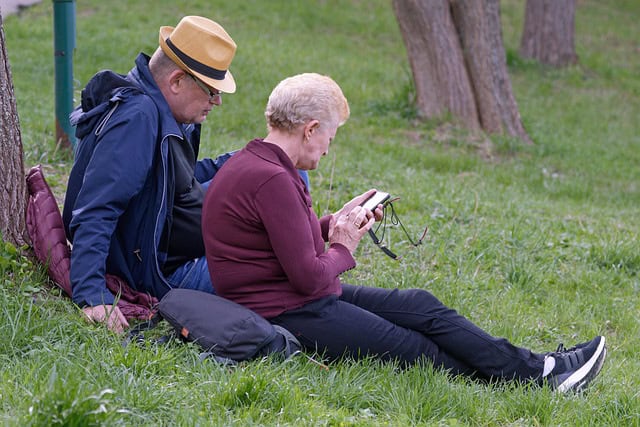
As parents get older, keeping them safe and happy becomes super important. New tech gadgets change the game by giving peace of mind, helping parents stay independent, and sending fast alerts if something goes wrong. These smart tools let you watch their health quietly without annoying them. Imagine never missing a warning or emergency again—these devices boost confidence and calm nerves like a trusty sidekick. This info suits anyone who cares for older adults. Keep going, because these tips could flip the way you protect your loved ones forever.
In an era where digital advancements increasingly blend with daily life, knowing which gadgets and systems are most effective can be overwhelming. The right combination of devices can help seniors maintain autonomy while giving family members confidence that help is just a button press or a quick alert away. Investing in these tools not only enhances safety but also strengthens the bond between aging parents and their loved ones, creating a healthier, more connected environment.
Smart Home Technology for Senior Safety
How Smart Devices Can Make a Difference
Smart home technology has revolutionized senior safety by enabling remote monitoring and control of devices through simple interfaces. Smart sensors can detect movement, monitor room temperatures, and alert caregivers if unusual activity occurs. Voice-activated assistants like Amazon Alexa or Google Home allow seniors to make calls, set reminders, or control connected devices with ease, reducing the risk of accidents caused by forgetfulness or physical limitations.
Installing smart locks and doorbell cameras adds another layer of security. These tools let family members verify visitors remotely and ensure the home remains secure at all times. Smart plugs can turn appliances on or off remotely, preventing hazards like leaving burners unattended. These innovations are practical, user-friendly, and foster independence, especially when tailored to an elderly person’s comfort level with technology.
Emergency Response Devices and Wearables
Key Features to Look For
One of the most vital aspects of senior safety involves quick assistance during emergencies. Personal emergency response systems (PERS) and wearables have become essential components in caregiving. These devices often come with a waterproof button staff or wristbands that seniors can activate if they experience a fall, chest pain, or other health crises.
Many modern PERS include GPS tracking, allowing loved ones to locate the individual quickly. Features like two-way voice communication ensure they can speak directly with emergency responders or family members with just a press of a button. Recent advances include fall detection technology, which automatically alerts caregivers if a fall occurs, even if the senior can’t press a button. These tools are critical for providing prompt help and fostering confidence for both seniors and their families.
Monitoring and Health Tracking Devices
Keeping Tabs on Vital Signs and Daily Activity
Health monitoring devices provide vital data about daily activity levels, heart rate, blood pressure, and even blood oxygen levels. Wearable health trackers for seniors can sync with smartphones or computers so caregivers can review patterns over time. Devices with alerts notify caregivers if readings fall outside normal ranges, prompting timely medical attention.
Additionally, these gadgets can track sleep patterns, medication adherence, and physical activity, giving a comprehensive view of a senior’s health. This data enables proactive interventions and reduces emergency hospital visits. Regular check-ins via these devices can catch potential health issues early, making them invaluable tools for staying ahead of problems.
Gps and Location Tracking for Senior Independence
Ensuring Safety During Outings
For seniors who enjoy outdoor activities or need to travel independently, GPS tracking devices provide a vital safety net. These compact devices, often worn as pendants or bracelets, allow family members to monitor location in real time. They can set safe zones, receiving alerts if a senior leaves a designated area, which prevents wandering in unfamiliar or unsafe environments.
Coupled with mobile apps, GPS trackers give peace of mind that loved ones can find an elderly person quickly if they’re lost or in distress. For parents with early stages of dementia or Alzheimer’s, this technology can be life-saving. Providing seniors with discreet devices ensures their independence while maintaining a safety backup for emergencies.
Medication Management Technologies
Streamlining Routine and Preventing Mistakes
Removing the guesswork from medication routines is crucial in senior safety. Digital pill dispensers and reminder apps are designed to ensure doses are taken correctly and on schedule. These devices can be programmed for multiple medications and send alerts to both seniors and caregivers if a dose is missed.
Some advanced systems even include sensors that confirm when a medication has been taken, providing accurate adherence records. This not only prevents potentially dangerous overdoses or missed doses but also offers peace of mind for caregivers managing complex medication schedules. Combining these tools with personal calendars or digital assistants keeps medication routines on track seamlessly.
Connecting Family and Healthcare Providers Through Technology
Enhancing Communication and Coordination
Staying connected with healthcare providers and family members is vital for managing senior health. Digital platforms now facilitate telehealth consultations, allowing seniors to speak with doctors from home, reducing the need for travel and exposure to illnesses. These platforms often include secure messaging, electronic health records access, and appointment scheduling, simplifying ongoing care management.
Family care apps enable loved ones to coordinate schedules, share health updates, and provide emotional support, all through easy-to-use interfaces. Moreover, integrating sensors and wearable data into healthcare systems ensures that providers receive real-time information, making for more accurate diagnoses and personalized treatment plans. Technology bridges the gap between seniors and their support networks, keeping everyone informed and involved in care decisions.
Conclusion
Investing in high-tech tools to keep aging parents safe not only enhances their independence but also provides much-needed reassurance to families. From smart home gadgets and wearable emergency systems to GPS trackers and medication monitors, today’s technology offers effective solutions to address common safety concerns. Selecting the right combination depends on individual needs, lifestyle, and comfort with technology.
It’s important to stay informed about the latest innovations and how they can serve your loved ones better. Remember, technology is most effective when tailored to the user, so involve your aging parents in decision-making and provide proper guidance and support. As innovations continue to emerge, accessing reliable information is crucial. For further insights, explore details about upcoming trends in senior safety technology by visiting straight from the source.
Taking proactive steps with the right tools can significantly improve quality of life, promote independence, and ensure timely assistance when needed. Don’t wait for emergencies to happen—start exploring the latest high-tech options today and create a safer, more connected environment for your loved ones. Your attention now can make all the difference in their health and happiness tomorrow.