
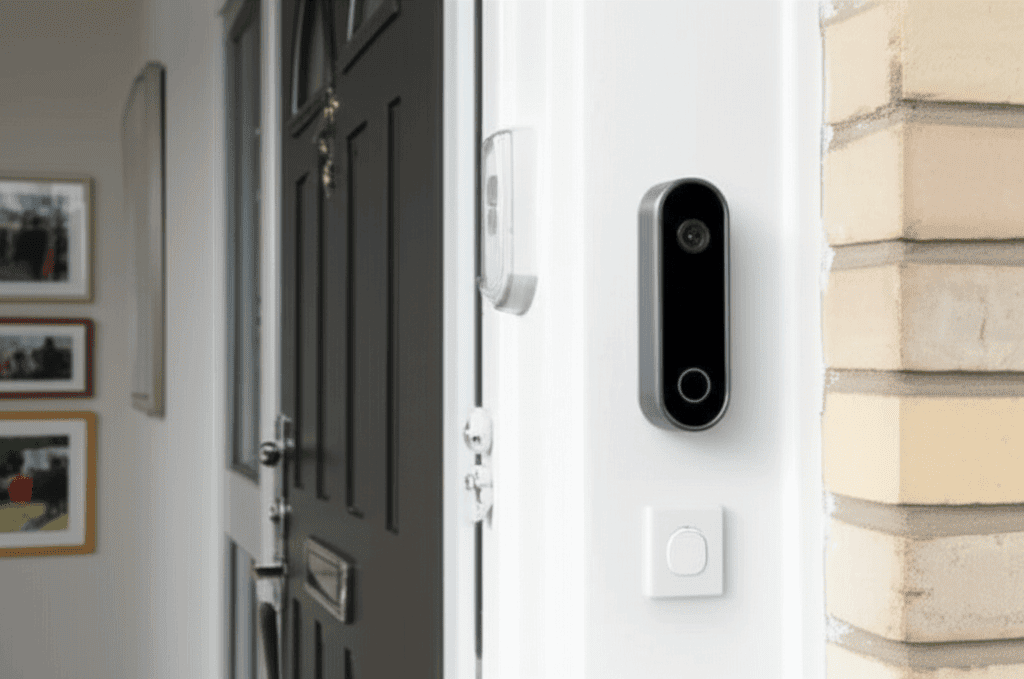
People in the UK worry a lot about keeping older family members and little ones safe at home. Most want easy, no-fuss fixes that don’t look like hospital gear. Hidden gadgets bring smart ways to quietly keep an eye on loved ones and send important updates—without making the home feel like a gadget factory. Discover how these clever tools can keep your family safe without any hassle. Stick around—you’ll find handy tips that make safety simple and worry-free.
This article explains practical types of subtle tech, how to choose options that fit family life, and real world examples that show how small devices can reduce accidents and give carers better oversight. If you want an expanded case study and local resources, you can read the full story for more background and featured installations.
What is subtle tech for UK parents safety at home Revealed
Subtle tech means devices and systems designed to be low profile while still delivering meaningful safety benefits. Think sensors tucked under furniture, door pressure mats, non-intrusive fall detectors that look like jewellery, and motion sensors that do not transmit video. The aim is to reduce risk without creating a clinical atmosphere.
For UK households this often translates to products that respect privacy and fit within compact homes and varied building types. Devices are chosen for ease of setup and quiet operation so elderly relatives and children are not alarmed by constant notifications.
Everyday devices that make a big difference
Small upgrades can have an outsized effect. Consider these categories and how they apply in a typical home.
- Environmental sensors such as temperature monitors, smoke detectors with enhanced range, and water leak sensors placed near boilers and washing machines. These reduce the chance of damage and alert carers early to unusual conditions.
- Door and window sensors that send brief alerts if doors open during sleep hours. These can be invaluable for families with a parent living with early dementia who may try to leave at night.
- Pressure mats and chair sensors that register when someone leaves a bed or favourite chair. They are subtle and do not require wearable acceptance by the person being monitored.
- Wearable fall detection alternatives such as pendant sensors or movement trackers that look like ordinary jewellery. They reduce stigma and increase the chance the device will be worn consistently.
Choosing tech that fits daily life
When selecting subtle tech prioritise simplicity. Look for devices with a small number of clear alerts and a single dedicated app for family members to use. Avoid systems that require frequent updates or complex pairing routines.
Compatibility with existing internet and phone setups matters. Many families opt for devices that run on their own cellular networks so that safety alerts still work during broadband outages. Battery life is another practical factor. A device that needs charging every day is unlikely to be used reliably.
Privacy friendly approaches that UK parents accept
Privacy concerns are a top barrier to adoption. Cameras in private spaces are often off the table. Subtle tech sidesteps this by using non-visual sensors and summarised data rather than live feeds. For example:
- Use motion counters that log activity levels without images
- Set alerts for prolonged inactivity rather than continuous monitoring
- Keep data local or choose vendors with clear UK data hosting and privacy policies
Families who take time to talk through boundaries report higher acceptance. Agree which rooms will have sensors and who receives alerts. A practical tip is to start with a single sensor to build trust before expanding coverage.
Integration with carers and emergency services
Subtle tech should support informal carers and, when needed, link to formal help. Many products offer tiered alert paths so a family member gets the first notification and a community responder or ambulance is contacted only if the situation escalates.
Examples of escalation settings
Low level alerts
Text or app alerts that mean a quick check by a family member is sufficient. These are ideal for missed medication reminders or brief periods of inactivity.
High level alerts
Immediate calls to an emergency contact or monitored response centre when a fall is detected or a smoke alarm triggers. Use this for situations where minutes matter.
Cost effective setups for different budgets
Subtle safety tech can be affordable. Entry level kits often start with a few sensors and a hub. Prices rise with monthly monitoring plans that offer human response teams. Consider these budget tiers:
- Low cost Basic sensors, DIY installation, family notifications only. Good for tech confident households with nearby carers.
- Mid range Includes additional sensors, longer battery life, and optional short term monitoring subscription. Good balance for those seeking backup without high fees.
- Higher end Full coverage with 24 7 monitoring teams, professional installation, and faster escalation. Choose this when carers are not local or when higher risk is present.
Practical tip: many local councils and charities in the UK offer grants or discounted packages for older residents. Check with local adult social care teams for funding options that reduce out of pocket costs.
Installation tips and maintenance routines
Good installation keeps devices functional and unobtrusive. Follow these steps:
- Place environmental sensors near probable hazards such as boilers, kettles, or washing machines rather than in the centre of rooms.
- Test alerts weekly at a predictable time so family members know the system is live without causing alarm.
- Label batteries and set calendar reminders for replacements based on the manufacturer recommended lifespan.
- Create a simple one page contact list pinned near the household telephone and in a shared app so responders know who to call first.
Real life examples and simple scenarios
Example one
Mrs. Patel in Kent installed door sensors on the front door and a chair sensor in the living room. At night the door sensor triggers a soft alert to her daughter if the door opens between 11 pm and 6 am. The daughter checks in via a quick call and has prevented two late night wanderings.
Example two
Mr. Green in Manchester placed a temperature sensor near his water heater and a leak sensor by the washing machine. One winter the leak sensor detected a slow drip and sent a message to his neighbour who was able to shut off the supply before significant damage occurred.
How to introduce subtle tech to a parent who is hesitant
Start small and frame the devices as tools that give freedom not restriction. Use trial periods so the person can test wearing a pendant or living with a sensor for a few weeks. Discuss who will handle false alerts and what times alerts will be active.
Use language that values privacy and dignity. Explain that many devices only send summaries of activity so there is no continuous surveillance. Offer to be responsible for setup and maintenance so the older person does not feel burdened.
Subtle tech for UK parents safety at home Revealed means picking solutions that are discreet, affordable, and respected by the people they serve. Start with a single clear need such as fall detection or water leak monitoring and expand only if the family finds the devices helpful. Maintain a simple routine for testing and battery replacement so the system remains reliable. If you want more detailed case studies, product lists, and local support links consider the additional article linked above. Taking small steps now can reduce accidents and make daily life calmer for both parents and carers. Consider contacting a local social care advisor or charity to learn about trial schemes and funding opportunities and set up one device this week to see how it fits with family life.